


Veuve Clicquot vs. Moët & Chandon
Updated: Oct 8
Planning a pilgrimage to the birthplace of bubbles often leads to one ultimate showdown: Veuve Clicquot vs. Moët & Chandon. As two of the most iconic Champagne houses in the world, both offer incredible glimpses into their underground worlds. However, their tour experiences are completely different.
To help you decide where to secure those highly coveted reservations, let’s look at how these two legendary houses compare across location, cellar depth, and history.

1. The Battle of the Cities: Reims vs. Épernay or Veuve Clicquot vs. Moët & Chandon
The first major differentiator isn't what is in the glass, but where the house stands.
Veuve Clicquot is located in Reims, a bustling, historic city famous for its grand Gothic cathedral (where French kings were crowned). The estate sits slightly outside the city center, offering a sleek, contemporary visitor center paired with historic grounds.
Moët & Chandon commands the famous Avenue de Champagne in Épernay, a smaller, charming town entirely dedicated to wine. Walking up to Moët feels like entering a grand, royal palace right in the heart of the region's main champagne strip.
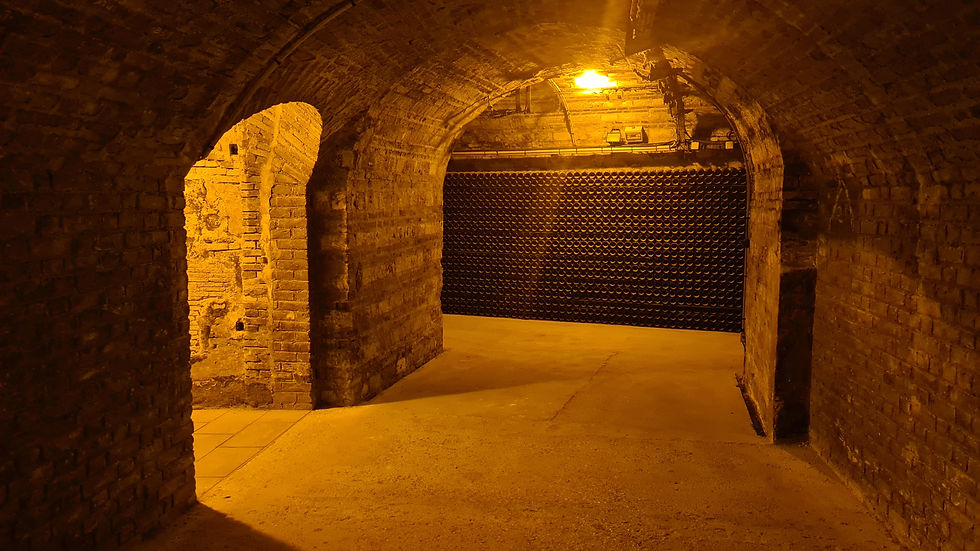
Moet & Chandon cellars
2. The Underground Experience: Crayères vs. Endless Tunnels
Both houses offer spectacular subterranean walks, but the architecture of their cellars tells two distinct stories. Veuve Clicquot vs. Moët & Chandon.
Veuve Clicquot: Majestic Roman Chalk Pits
Veuve Clicquot’s cellars are carved into UNESCO-designated crayères—ancient, cathedral-like chalk quarries originally dug by the Romans. The tour takes you down into massive, soaring vertical shafts. The vibe is dramatic, historical, and deeply atmospheric.

Moët & Chandon: The Ultimate Underground Labyrinth
Moët boasts the largest cellar network in the entire Champagne region, stretching an astonishing 28 kilometers (about 17.4 miles) beneath the streets of Épernay. Walking through Moët's cellars feels like exploring an endless, perfectly manicured subterranean maze filled with millions of maturing bottles.

3. The History: Innovation vs. Imperial Royalty
Every great bottle of Champagne comes with a story. Depending on which historical angle fascinates you more, one tour may stand out. Veuve Clicquot vs. Moët & Chandon !
Go to Veuve Clicquot for a story of female empowerment and innovation. The tour focuses heavily on Madame Clicquot (the Veuve, or "Widow" Clicquot), who took over the house at just 27 years old. You will learn how she revolutionized the entire industry by inventing the riddling table to clarify champagne.
Go to Moët & Chandon for a taste of royal heritage. Founded in 1743, Moët was a favorite of Napoleon Bonaparte (who frequently visited the estate). The flagship Moët Impérial is actually named in tribute to him.
Breakdown
Here is how a standard tasting visit compares, Veuve Clicquot vs. Moët & Chandon:
Feature | Veuve Clicquot | Moët & Chandon |
Location | Reims | Épernay |
Cellar Highlight | Roman Crayères (Chalk Pits) | 28km Tunnel Labyrinth (Largest) |
Vibe | Bold, modern, design-forward | Classic, grand, majestic |
The Verdict: Veuve Clicquot vs. Moët & Chandon. Which Tour is the Best?
We are happy to share that you truly cannot go wrong with either, but the "best" tour depends entirely on your personal style, Veuve Clicquot vs. Moët & Chandon :
Book Veuve Clicquot if: You love revolutionary history, want to see jaw-dropping Roman chalk architecture, prefer a sleek, modern brand aesthetic, and are already planning to stay in the vibrant city of Reims.
Book Moët & Chandon if: You want to walk the legendary Avenue de Champagne in Épernay, want to experience the sheer scale of the region’s largest underground labyrinth, and love a sense of classic, imperial luxury.
Want to Skip the Logistics? Recommended Curated Tours
If you can't decide between the two, Veuve Clicquot vs. Moët & Chandon, or if you simply want an expert to handle the complex booking, transport, and scheduling, you don't have to choose just one.
Having a Champagne ambassador serve as your guide transforms your trip into a completely seamless experience. Through Tours in Champagne, you can book expertly curated itineraries that completely bypass the stress of planning:
The Ultimate Solution: Veuve and Moët Day Tour
Why choose at all? This popular single-day itinerary allows you to enjoy a special day visiting both Veuve Clicquot and Moët & Chandon. To make the day even more unforgettable, it includes a stunning Michelin-starred lunch to break up your tastings.
The Highlight Focus: Circuit Spécial Veuve Clicquot
If your heart is set on the yellow label, this focused half-day experience couples a deep dive into the Veuve Clicquot house with a guided journey through the breathtaking, rolling Champagne landscapes.
The Grand Avenue Focus: Circuit Spécial Moët & Chandon
Perfect for those wanting a dedicated half-day immersion into Épernay. You'll explore the sprawling Moët cellars and gain a true appreciation for the regional terroir with panoramic views of the vineyards.
The Full Immersion: Circuit 2 Jours Grandes Maisons
For the true luxury enthusiast, this itinerary sweeps you across both Reims and Épernay over two full days, allowing you to experience the biggest wineries in Champagne—including Veuve Clicquot and Moët & Chandon—without ever feeling rushed.
💡 Insider Tips to Truly Master Your Champagne Experience
1. Add a Vineyard Tour to Understand the Land
While exploring the massive underground cellars of grand houses like Veuve Clicquot and Moët & Chandon is a magical experience, seeing only the cellars means missing half the story. To truly understand Champagne, you must understand its terroir—the unique soil, steep hillsides, and grape varieties that give the wine its soul.
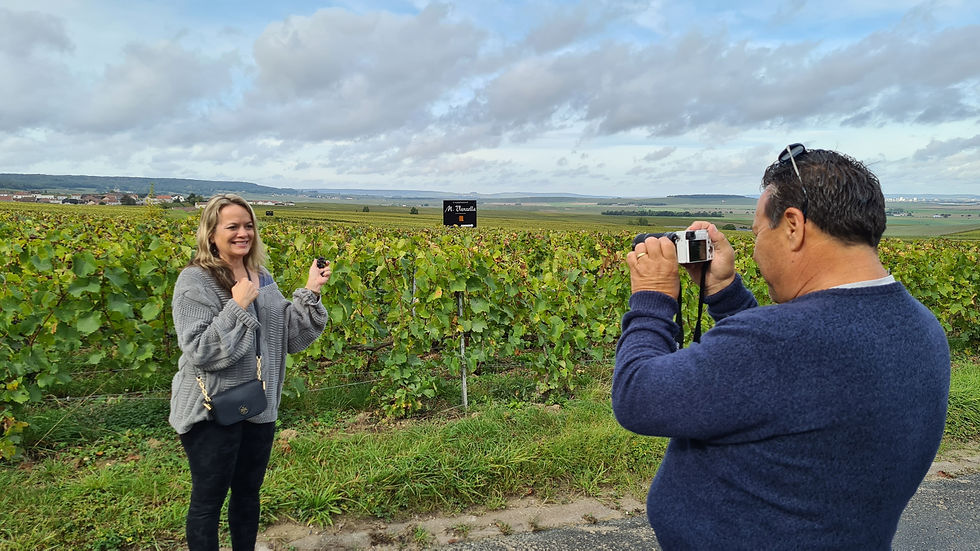
To bridge the gap between the grand corporate houses and the raw nature of the region, we highly recommend adding a dedicated vineyard experience like the Cellar Tour, Tasting & Views. This immersive half-day journey takes you directly into the heart of the UNESCO-listed rolling hills to stand among the vines and learn about grape cultivation.
2. The Golden Rule: Combine a Big House with a Small Grower
If you want the ultimate, well-rounded perspective on Champagne production, do not just visit the giants. The absolute best way to experience the region is to combine a morning at a mega-house (like Veuve or Moët) with an afternoon visiting an intimate, independent family producer (vigneron).
This pairing allows you to contrast the high-tech, massive-scale blending of global icons with the artisanal, hands-on passion of a grower who tends to their own vines and bottles their own harvest. You get the best of both worlds: imperial grandeur and rustic authenticity.
The Perfect Blend: Big and Small Wineries Tour
This brilliantly balanced full-day itinerary does exactly that. It takes away all the driving stress and seamlessly pairs a tour of a legendary Grand House of Champagne with visits to two boutique, family-run growers. It is the most comprehensive way to understand the full spectrum of Champagne making in a single day.
Pro Tip: Whichever path you choose, Veuve Clicquot vs. Moët & Chandon, book your spots at least 2 to 4 weeks in advance. Spaces are incredibly limited, and walk-ins are rarely available during peak travel seasons!


